FIRST AIDERS – Continuing Education in First Aid

Ongoing training
for in-house first aiders

Training first aiders once every two years isn't enough. The only program in Switzerland that ensures your in-house first aiders are truly ready to act year-round: a short session every month, right at your company.

1 session per month · 2 hours per group of 8 · Excluding July and August · At your location

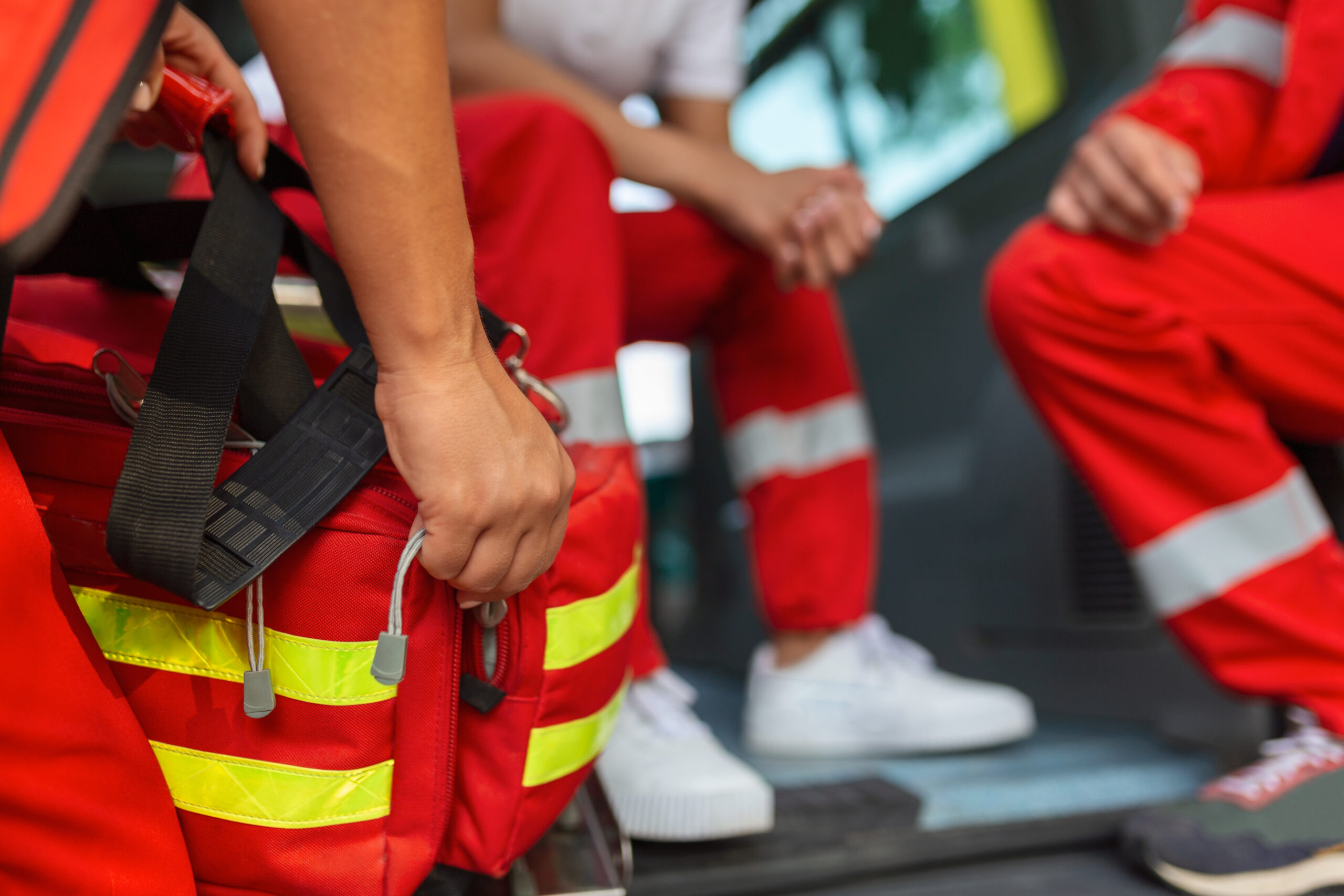
First aider preparing first-aid supplies

Why a continuing education program?

First aid skills deteriorate rapidly without practice; they are rarely called upon in real-life situations, yet must be applied under stress and as part of a team. The program addresses this reality in the field by maintaining skills over time through regular practice.

Life-saving techniques can be learned, but above all, they must be practiced. Through structured, rigorous, and practical ongoing training, our approach is tailored to the realities of the workplace while remaining directly applicable to everyday life.

Retention Curve for First Aid Skills Without Regular Training

Retention of skills without regular practice: from approximately 100% after training to 50%, then 30%.

A FIRST AIDERS-Exclusive Methodology

Inspired by the operational standards of advanced first aid (IAS2) and tailored to the realities of the workplace, the program strengthens emergency response procedures, the structure of first-aid teams, the proper use of equipment, and the effectiveness of interventions.

Rhythm
1 session per month, except in July and August
Duration
2 hours per group
Participants
Groups of 8 first aiders
Location
At your company
SECO Objective
Response time of 3 minutes or less
Integration
In the company's first-aid plan

Program Objectives

  • Strong and lasting habits
  • Skilled movements even under stress
  • Effective Team Coordination
  • Quick decision-making
  • Stress Management and Emergency Communication
  • Using First Aid Supplies
  • Coordination with Professional Emergency Responders
  • Submission of the balance sheet to 144

Examples of skills taught

A variety of scenarios, working in pairs and as a team, using the company’s actual equipment.

  • Cardiopulmonary EmergenciesHeart attack, stroke, loss of consciousness, PLS, OVA
  • Respiratory and Allergic EmergenciesAnaphylaxis, asthma attacks, seizures, epilepsy, fainting spells
  • InjuriesDislocation, sprain, fracture, amputation, crush injury
  • Altered Consciousness and Behavioral DisordersSyncope, hypoglycemia, hyperthermia, dehydration, hypothermia
  • Poisonings and Hazardous EnvironmentsElectric shock, CO poisoning, food poisoning
  • Skin Wounds and ComplicationsBleeding, thermal and chemical burns, stings, and bites

Full integration into the emergency response system

The continuing education program helps to:

  • Strengthen the internal alert system
  • Structure and Maintain Your Emergency Response Plan
  • Mastering first aid techniques, whether the situation is life-threatening or not
  • Check and optimize first-aid supplies
  • Ensure that the skills of in-house first aiders are maintained and developed
  • Maintain compliance with SECO, OLT3, and MSST

A strategic investment. The program reduces risks, improves crisis management, empowers employees, and reinforces the company’s reputation for corporate responsibility.

A field-oriented approach

At FIRST AIDERS, training isn't limited to theory. We take a practical approach, drawing directly from real-world experience and the business world.

Icon: Clear and Accessible Explanations

Clear and accessible explanations

Icon: Repeated actions until mastered

Repeated movements until
mastered

Icons: A Pragmatic Approach

A pragmatic approach, without unnecessary complexity

Icon: Real-world examples from the field

Real-world examples from the field

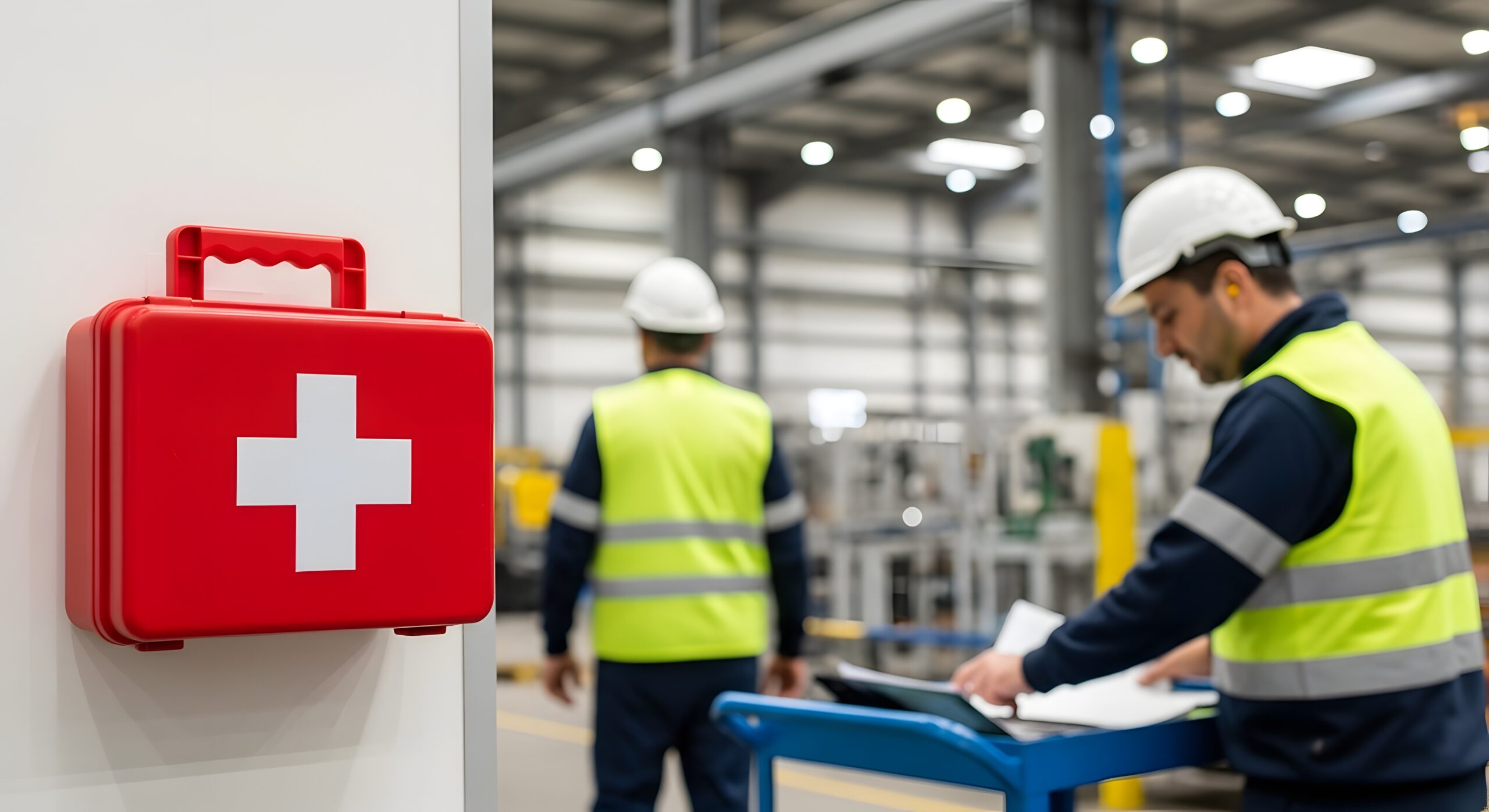
First-Aid Kit in an Industrial Workshop

For which companies?

Each program is tailored to your business, your facilities, your workforce, and your specific risks.

  • Small and Medium-Sized Enterprises and Large Companies
  • Offices, Workshops, and Industrial Facilities
  • Retail, Logistics, and Construction Sites
  • Premises open to the public
  • Medical and Paramedical Sector

Do you need to train your teams?

We'll help you implement a program tailored to your organization.